مرحبا بك في
Greensun Solar Energy, please call
+86 187 1510 8506
for help
 العربية
 English
 français
 español
بعد أقل من عام على فرض الولايات المتحدة تعريفات عالية لمكافحة الإغراق والدعم على أربع دول في جنوب شرق آسيا، حولت الولايات المتحدة الآن انتباهها إلى الهند وإندونيسيا ولاوس.
هذه المرة، تم تقييد مساحة "القفز" المتاحة لشركات الطاقة الشمسية الكهروضوئية الصينية بشكل كبير.
اشتد الحصار، حيث بلغت الزيادة القصوى 143.3%
في الرابع والعشرين من فبراير بالتوقيت المحلي، أعلنت وزارة التجارة الأمريكية أنها أصدرت قرارًا مبدئيًا إيجابيًا بفرض رسوم مكافحة إغراق على الخلايا الكهروضوئية المصنوعة من السيليكون البلوري من الهند وإندونيسيا ولاوس. وتُعد هذه محاولة أخرى من جانب الولايات المتحدة للتعدي على سلسلة توريد الخلايا الكهروضوئية الصينية، وذلك في أعقاب فرض رسوم مكافحة إغراق مضاعفة على ماليزيا وكمبوديا وفيتنام وتايلاند العام الماضي.
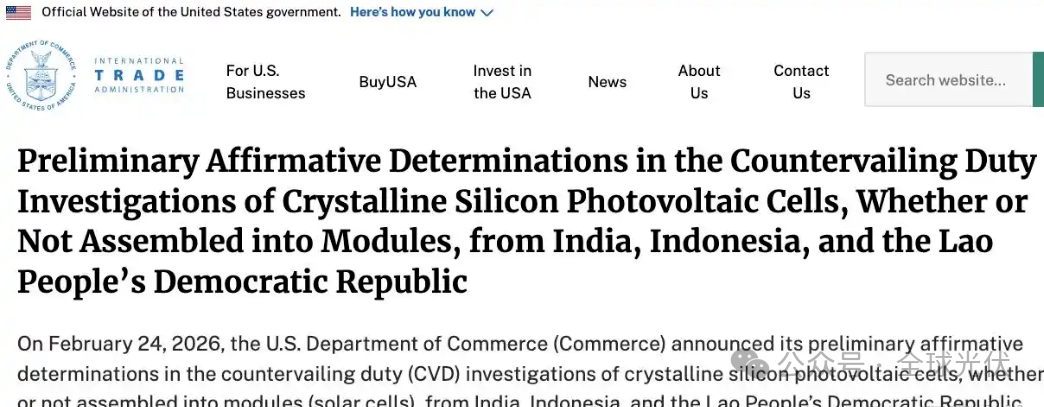
بدأ هذا التحقيق من قبل التحالف الأمريكي لتصنيع وتجارة الطاقة الشمسية في يوليو 2025. ويشمل أعضاء هذا التحالف شركة Hanwha Qcells من كوريا الجنوبية، وشركة First Solar من الولايات المتحدة، وشركة Mission Solar التابعة لشركة OCI Holdings.
وفقًا لنتائج الأحكام الأولية التي أعلنتها وزارة التجارة الأمريكية، فإن معدلات الرسوم التعويضية للدول الثلاث هي كما يلي:
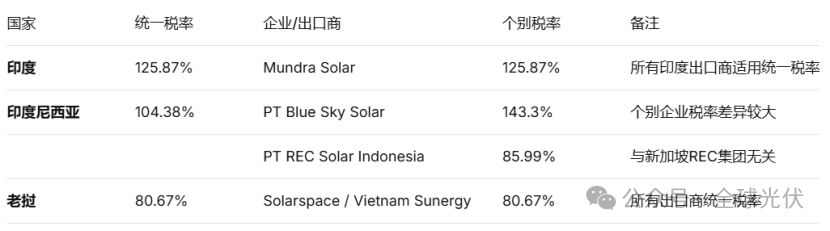
هذه هي معدلات الضرائب الأولية. وسيبدأ تطبيقها الفعلي بعد نشر الجريدة الرسمية الاتحادية. وستطالب الجمارك المستوردين بدفع وديعة فوراً.
الجدول الزمني لهذا التحقيق هو كالتالي:
قرار تمهيدي بشأن مكافحة الدعم: 24 فبراير 2026 (مكتمل)
قرار أولي بشأن مكافحة الإغراق: من المتوقع صدوره في حوالي 21 أبريل 2026
الحكم النهائي: متوقع في 3 سبتمبر 2026
القرار النهائي الصادر عن لجنة التجارة الدولية: 19 أكتوبر 2026
تحصيل الضريبة النهائي: بعد 19 أكتوبر
الارتفاع الكبير وراء البيانات
لماذا اختارت الولايات المتحدة هذه الدول الثلاث؟ بيانات التجارة تقدم الإجابة.
وفقًا لإحصاءات وزارة التجارة الأمريكية، في عام 2025، قامت الهند وإندونيسيا ولاوس مجتمعة بتصدير منتجات الطاقة الشمسية إلى الولايات المتحدة بقيمة تقارب 4.5 مليار دولار أمريكي، وهو ما يمثل حوالي ثلثي إجمالي واردات الطاقة الشمسية إلى الولايات المتحدة في ذلك العام.
الأمر الأكثر إثارة للدهشة هو الزيادة السريعة في حجم الواردات:
الهند: من حوالي 232 ميغاواط في عام 2022 إلى 2.29 غيغاواط في عام 2024، بقيمة تقارب 793 مليون دولار أمريكي، أي بزيادة تقارب 9 أضعاف
إندونيسيا: بلغت طاقتها الإنتاجية 1.8 جيجاواط في عام 2024، بقيمة تقارب 416 مليون دولار أمريكي
لاوس: من شبه انعدام الصادرات في عام 2022 إلى 1.9 جيجاواط في عام 2024، بقيمة تقارب 336 مليون دولار أمريكي
"هذه الزيادة السريعة بحد ذاتها أصبحت سبباً للتحقيق الأمريكي." وأشار تحالف تصنيع وتجارة الطاقة الشمسية الأمريكي، الذي قدم الطلب، في الوثيقة، إلى أن هذا يدل بقوة على أن هذه المنتجات المستوردة يتم نقلها على عجل إلى الولايات المتحدة للتهرب من فرض ضرائب مكافحة الإغراق ومكافحة الدعم.
الحصار من جنوب شرق آسيا إلى جنوب آسيا
لفهم هذا الحادث، يحتاج المرء إلى تتبع تطور السياسة التجارية الأمريكية تجاه الصين في مجال منتجات الخلايا الكهروضوئية.
المرحلة الأولى: الحصار المباشر للصين (2012-2015). نتيجةً للتأثير المُجتمَع لرسوم مكافحة الإغراق، والتعريفات الجمركية لعامي 201 و301، تجاوز معدل الضريبة على منتجات الطاقة الشمسية الكهروضوئية الصينية 109%، وتوقفت تقريبًا صادراتها المباشرة إلى الولايات المتحدة. بعد جولتي إجراءات مكافحة الإغراق في عامي 2012 و2015، بدأت الشركات الصينية بالتصدير إلى الولايات المتحدة عبر جنوب شرق آسيا.
المرحلة الثانية: احتواء جنوب شرق آسيا (2024-2025). في عام 2025، فرضت الولايات المتحدة رسومًا جمركية عالية لمكافحة الإغراق على منتجات الطاقة الشمسية الكهروضوئية من ماليزيا وكمبوديا وفيتنام وتايلاند، حيث بلغت أعلى نسبة ضريبية 3521.14%، ما أدى إلى إغلاق قنوات التصدير إلى الولايات المتحدة من جنوب شرق آسيا بشكل شبه كامل.
المرحلة الثالثة: استهداف جنوب آسيا وقواعد جديدة في جنوب شرق آسيا (2026) إن فرض هذه الضرائب على الهند وإندونيسيا ولاوس يشير إلى أن الولايات المتحدة ستوسع الحصار ليشمل دولًا آسيوية أخرى حيث قد تنقل الشركات الصينية قدرتها الإنتاجية.
بحسب بلومبيرغ لتمويل الطاقة الجديدة، "بعد أن فرضت الولايات المتحدة تعريفات جمركية عالية على أربع دول في جنوب شرق آسيا، اتجه بعض المطورين إلى شراء المكونات من هذه الدول". وفي النصف الأول من عام 2025، استحوذت الهند وإندونيسيا ولاوس مجتمعة على 57% من واردات الولايات المتحدة من وحدات الطاقة الشمسية.
أين يكمن مستقبل صناعة الطاقة الكهروضوئية في الصين؟
يشير هذا القرار الأولي الذي أصدرته الولايات المتحدة بشأن فرض ضرائب مكافحة الدعم على الدول الثلاث إلى أن هامش التحايل على الرسوم الجمركية قد ضُغط تماماً. فمن جنوب شرق آسيا إلى جنوب آسيا، ومن إندونيسيا إلى لاوس، تُشكل الولايات المتحدة شبكة حصار تغطي آسيا بأكملها.
أي عملية نقل للقدرات ذات خلفية صينية قد تصبح هدفاً للجولة القادمة من التحقيقات.
يكمن الحل الأمثل للشركات الصينية في نموذج عالمي حقيقي. لم يعد مجرد "إعادة توظيف" المنتجات للتصدير كافياً. يكمن الحل الحقيقي في تحقيق التكامل مع السوق المحلية من خلال وسائل مثل ترخيص التكنولوجيا، وإنشاء مصانع مشتركة، وتوطين سلاسل التوريد المحلية.
تُشكّل الضرائب المفروضة لمكافحة الدعم من قِبل الولايات المتحدة على الهند وإندونيسيا ولاوس تحديات جديدة تواجهها شركات الطاقة الشمسية الكهروضوئية الصينية في مسيرتها نحو العولمة. ولا يكمن التحدي الحقيقي بالنسبة لصناعة الطاقة الشمسية الكهروضوئية الصينية في مستوى الرسوم الجمركية في وقتٍ ما أو في مكانٍ ما، بل في اختبارٍ دقيق لمرونة سلسلة التوريد الصناعية.




 شبكة IPv6 مدعومة